Huzzah and hock your hats, dear reader, for there’s something splendid afoot in the Yorkshire countryside! Castle Howard—yes, that most majestic of stately piles, the grande dame of Georgian grandeur—is undergoing a transformation worthy of applause, fireworks, and perhaps a victory lap in a classic motorcar. Now, Castle Howard is no ordinary abode. It’s a veritable cathedral to English architectural ambition—a place where cupolas cavort with columns, and frescoes flirt with finely carved cornices. And yet, despite its splendour, time (that most persistent of party crashers) had been quietly creeping through the walls, tugging at plaster, nudging at masonry, and…
-
-
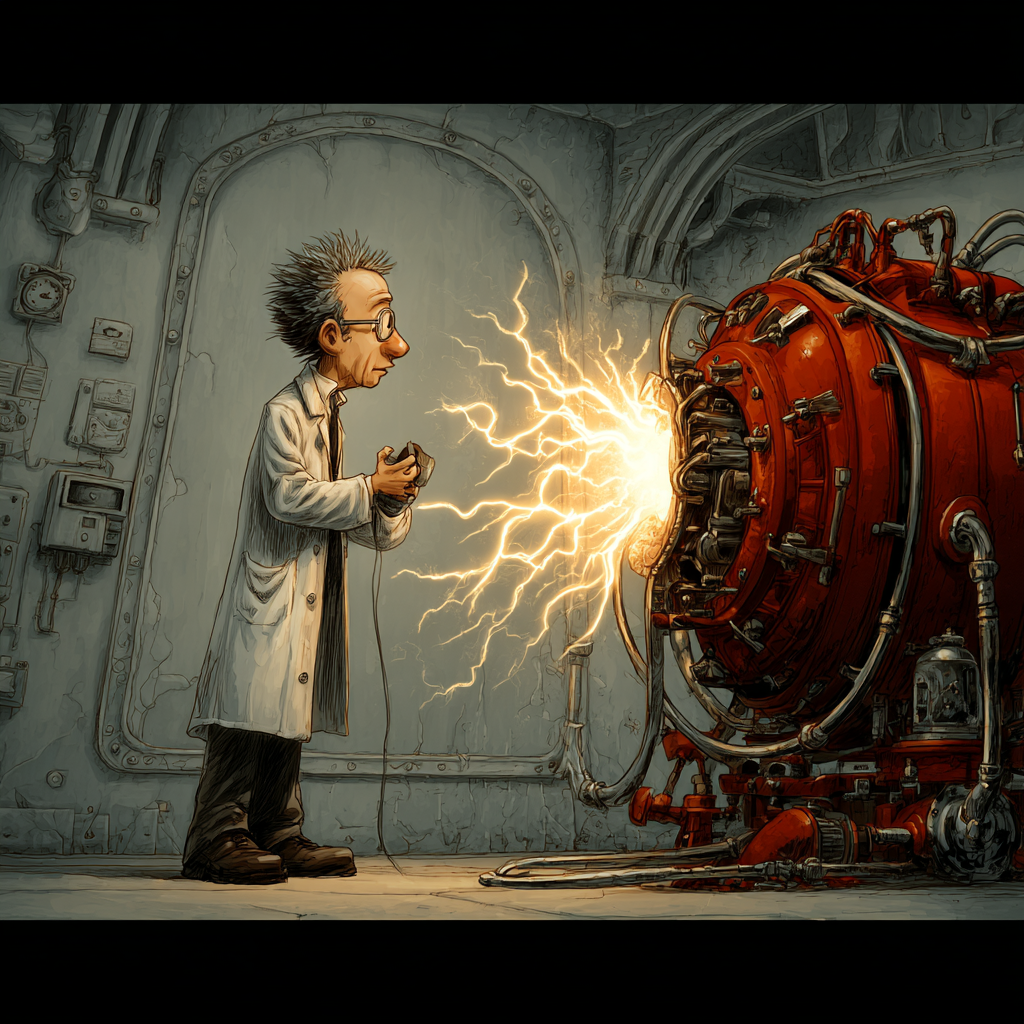
Great Scott! Physicists at Los Alamos have dusted off and replicated a 1938 experiment by Arthur Ruhlig the first observation of deuterium‑tritium fusion. With modern neutron detection, they’ve reaffirmed Ruhlig’s pioneering insight, confirming that the building blocks for fusion were being handled as early as before WWII. This is history vindicated, connecting past insight to present-day fusion ambitions. It reminds us that breakthroughs often come quietly before their time. Is it a detour? Not at all, it’s a strong foundation under contemporary fusion efforts. Anglosphere science, replete with tradition and tenacity, now has another weapon in its clean-energy armoury. Old,…